Review 02 / written form
Tareq Rajab Museum of Islamic Calligraphy: follow the line
The museum rewards visitors who compare how writing changes across medium, scale and use—and who know that recognising letters is not the same as translating a historic text.
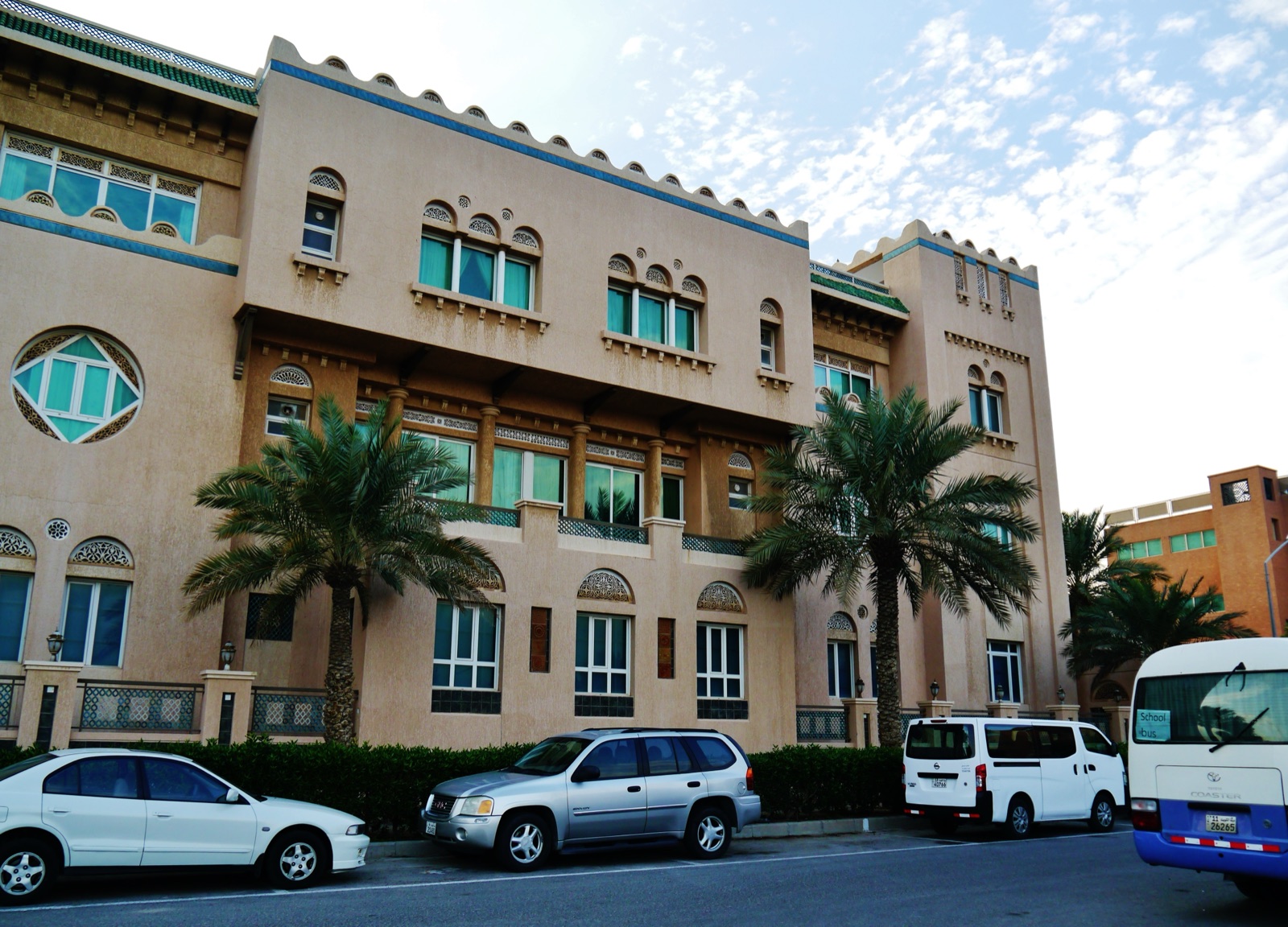
The Tareq Rajab Museum of Islamic Calligraphy in Jabriya presents writing as an art carried by many kinds of objects. A thoughtful visit should therefore move beyond framed pages. Look for differences between manuscript, ceramic, metal, stone, textile or architectural applications when those media are present in the current display. The museum's exact galleries, opening arrangements, ticketing and photography policy should be confirmed directly before travel.
What makes the visit distinctive
Calligraphy brings language, visual composition and material technique into the same field. Line thickness, spacing, proportion, colour and the shape of the writing surface all affect what the visitor sees. The collection can help you compare a written band that follows a vessel with a page organised into margins and text blocks. That comparison is more reliable than labelling every graceful curve with a script name.
Start with medium
Ask whether the line is written with ink, painted, carved, cast, embroidered, inlaid or transferred by another method. Each process creates different possibilities and limits. A brush or pen can alter pressure through a stroke; carved stone and metal require another sequence. Use the object label for material and technique because glass reflections and surface wear can make one medium resemble another.
Best first question
How does the writing respond to its support? Follow the edge of the page, rim of the vessel, curve of the panel or border of the composition.
Script labels are not decorations
Names such as Kufic, naskh and thuluth describe important calligraphic traditions, but they are often applied too casually in general travel writing. Proportion, historical practice, medium and regional context matter. Copy the museum's terminology and preserve any qualification. If the label does not name the script, describe angularity, vertical extension, line density or stacking without declaring an attribution.
Translation needs evidence
Historic texts can include Qur'anic passages, poetry, blessings, ownership marks, signatures and many other forms of writing. Familiar phrases may recur, yet damage, abbreviation and calligraphic compression complicate reading. Use a museum translation where supplied and attribute it. Do not fill a missing line because the beginning resembles a known passage; the honest caption can stop at visible language and layout.
Page architecture deserves time
On a manuscript page, distinguish the main text block, margins, headings, illumination, later notes and repair. A cropped detail can hide the relation between text and page. Take one whole-page photograph where permitted, then a detail. For bound material, remember that the displayed opening is part of a sequence; it may not represent the entire manuscript's structure or condition.
Density can cause fatigue
A specialised display can become visually intense. Choose one comparison: the same material across different scripts, the same script across different materials, or the relation between text and ornament. After three objects, pause and write what changed. That method turns density into evidence rather than a pressure to photograph every case.
Who will value it most?
The museum is especially strong for visitors interested in graphic design, manuscripts, Arabic visual culture, material craft and the history of books and inscriptions. Arabic readers may recognise more linguistic detail, but non-readers can still study composition responsibly. Children may benefit from finding baselines, borders and repeating line rhythms rather than being asked to decode text.
Use the label as a way back
When a case provides an object or collection number, include it in your notes beside the photograph filename. It can lead to a fuller catalogue, another view or a published reading after the visit. A visual description such as “blue page with gold writing” is not unique enough to identify an object later. The number keeps your observation attached to the institution's record.
The honest planning note
Do not assume that an older online review reflects current hours, entrance arrangements or gallery availability. Confirm the official museum name, Jabriya location, opening status, admission, accessibility and photography rules from a current responsible source. This article evaluates a way of seeing the collection; it does not provide live operational data.