Review 04 / coast and work
Kuwait Maritime Museum: read the vessel as work
A boat is not only a heritage silhouette. Its hull, rig, tools and scale can reconnect maritime history to labour, material and route.
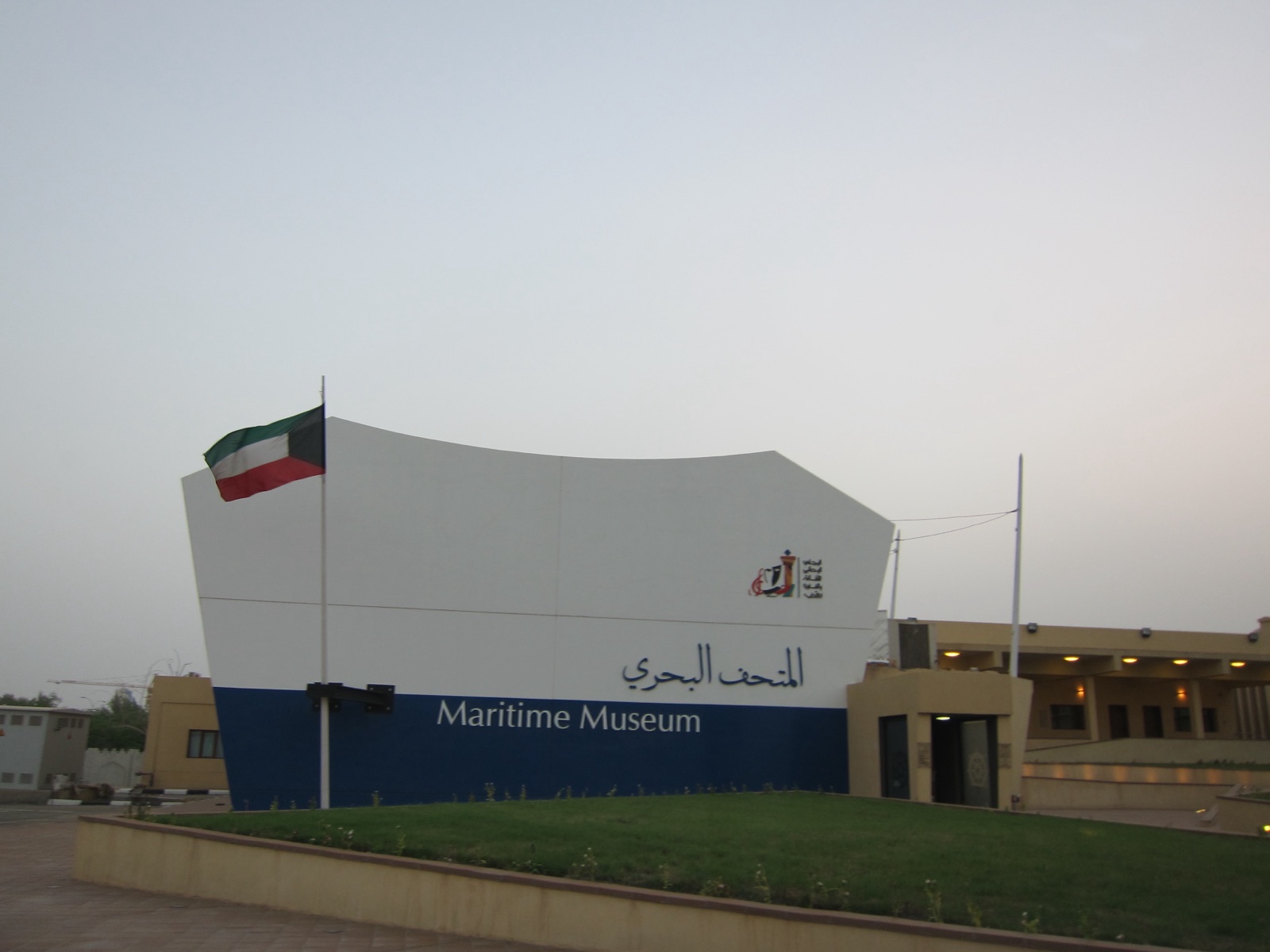
Kuwait's maritime history connects the coast to boatbuilding, trade, pearling, fishing and regional movement. A maritime museum can make those systems visible through vessels, models, tools, photographs and interpretation. The useful question is not whether an object looks “traditional,” but what task it performed, how it was made and which people and routes made that work possible. Current display status and access must be checked directly.
Start at the hull
Stand back far enough to see bow, stern, sheer line and overall proportions. Then move closer where permitted to examine planks, frames, fastenings, caulking zones and repairs. The object label should identify vessel type and history. Do not name every wooden boat a dhow as if the word settled design, function and route; local terminology and specialist records distinguish different craft.
Construction is stored knowledge
A hull represents decisions about timber, load, water, maintenance and available skill. Visible replacement pieces or repairs do not make a vessel less authentic; working craft are maintained. At the same time, a museum object may have been restored for display. Describe the visible join and use conservation information before deciding when or why it was added.
Best first question
Which feature answers a practical problem—carrying cargo, handling sail, working in shallow water, storing gear or surviving repeated maintenance?
Scale the work to people
Large vessels can become sculptural objects when displayed on land. Look for deck height, access points, working zones and the placement of rigging or tools. Imagine movement only where evidence supports it. A crew's roles, numbers and working conditions require oral histories, photographs or written records; they should not be invented from an empty deck.
Separate trade from a route line
Maps can make maritime exchange look like clean arrows between ports. Objects reveal more complicated connections: cargo containers, imported timber, navigational instruments, ropes, personal equipment and repairs. Read place names and date ranges carefully. A material sourced abroad does not automatically prove the journey of the displayed vessel unless the museum record makes that connection.
Pearling needs social context
Pearling is central to many accounts of Gulf maritime history, but a romantic image of sea and pearl can hide risk, hierarchy, debt, seasonal labour and the work of people on shore. Look for interpretation that names roles and economic relationships. Do not turn one tool into a complete account; compare it with documentary and oral-history evidence where available.
Models are evidence of another kind
A model may explain a vessel's shape when the full craft cannot be displayed. Record its scale, maker and purpose if supplied. It can be a technical model, teaching object, later reconstruction or souvenir; those categories are not interchangeable. Photograph the label with the model so its simplified features are not later mistaken for a full-size historic vessel.
Who will value it most?
This museum suits visitors interested in engineering, labour history, Gulf trade, coastal environments and boatbuilding. Families can compare hull shapes and tool functions without needing a long chronology. Photographers should preserve scale and avoid presenting display vessels as active working craft. Visitors already familiar with the waterfront may find that object detail corrects a skyline-only view of maritime heritage.
Connect the museum back to the coast
After the galleries, compare the vessel profile with the actual horizon and harbour environment where public access allows. Wind, glare, heat and distance make the coastal setting physically legible, but they do not reconstruct a historic voyage. Keep present observation separate from museum history. The comparison restores scale and environment without pretending that today's waterfront reproduces an earlier working shore.
The honest planning note
Confirm the museum's current name, opening status, location, admission, accessibility and indoor or outdoor display access from a responsible current source. Heat and bright sun can affect outdoor looking, while photography rules may differ between areas. This review does not sell admission or guarantee that every vessel or gallery shown online remains accessible.