Guide 01 / inside the gallery
The 12-minute object method
One object, two rounds of looking and one remaining question create a field record you can actually use.
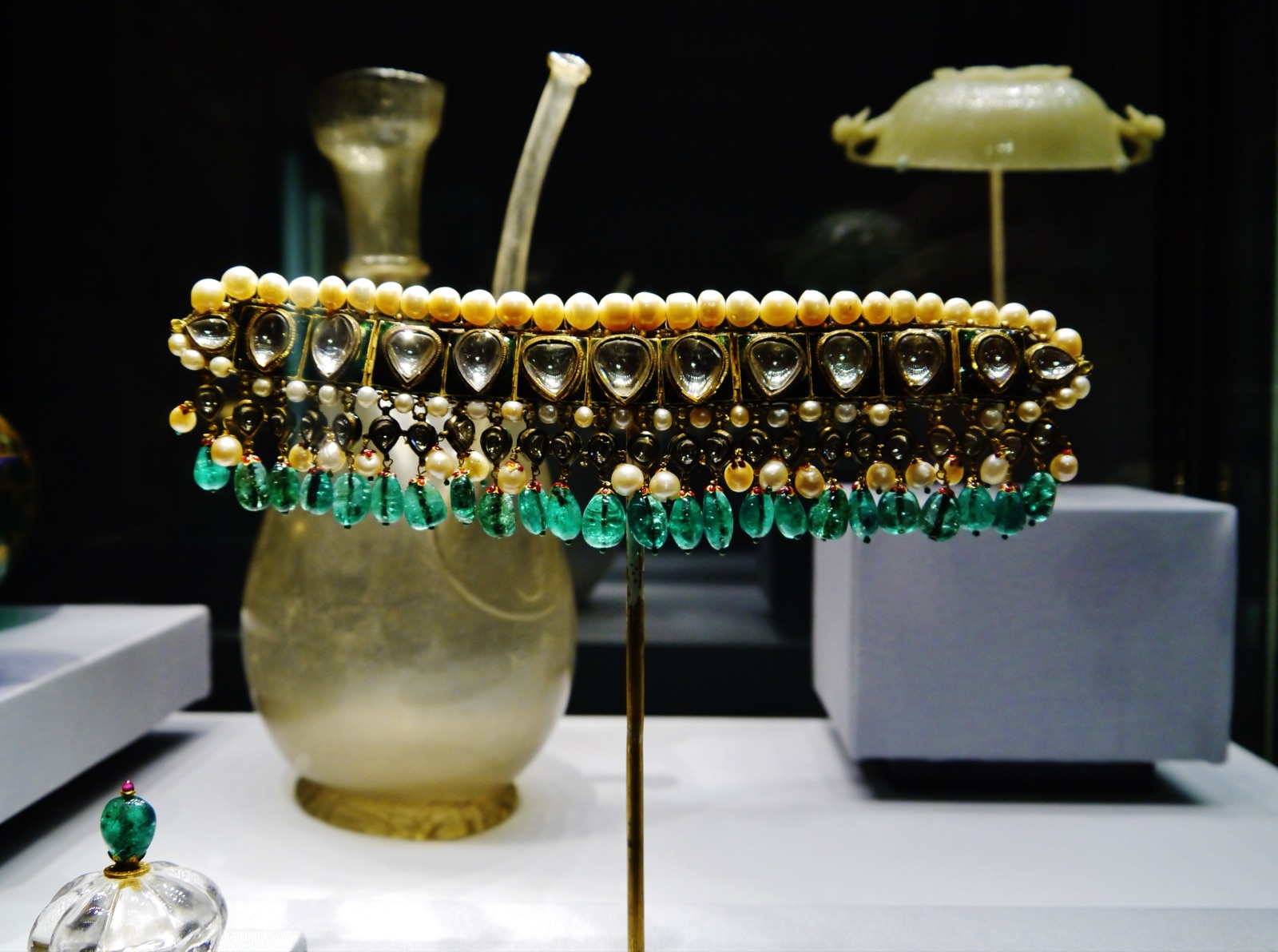
Slow looking is not a test of patience or expertise. It is a way to separate what you can see from what a label and catalogue identify. Choose an object that holds your attention but does not block a busy route. Keep a respectful distance, follow gallery rules and resist opening the camera immediately. The method takes twelve minutes, though the order matters more than a stopwatch.
Minutes 0–3: describe without naming
Start with shape, scale, colour relationships, edges, openings, repeated elements, visible wear and the way light meets the surface. Avoid a period, maker, symbolic meaning or material unless it is genuinely visible. “A dark band curves around the rim” is a useful observation. “Ancient royal ceremonial bowl” bundles claims that need sources.
Minutes 3–5: map construction
Look for seams, joins, transitions, tool marks, weave structure, repairs or areas hidden by the mount. Ask which parts appear to have been made separately and how the object balances. Do not touch a case or lean over a barrier to solve the question. If reflections prevent observation, write that limitation rather than turning glare into decoration.
Write three lines
“I see…” for observation. “The label identifies…” for museum data. “I still want to know…” for the question that remains.
Minutes 5–8: read the label precisely
Copy the object title, material, date wording, place or provenance wording and collection number. Preserve question marks, “probably,” “circa” and date ranges. A findspot, production place and current collection are different relationships. If a translation appears, note that the museum supplied it rather than absorbing it into your own voice.
Minutes 8–11: look again
Return to the object and test which label fields become visible. Can you now locate the inlay, repair, textile structure or functional edge? Notice where the display does not allow you to confirm a claim; some evidence requires another side, conservation imaging or technical analysis. The label does not make every fact visually obvious, and the photograph does not replace the record.
Minute 12: keep one question
Write one specific next step: search the collection number, compare a reverse view, find the museum's material definition or look for a published translation. Avoid an enormous question such as “What does it mean?” A narrow question gives the visit continuity after you leave. If photography is allowed, now take a whole-object frame, the label and one detail without blocking others.
Stop before fatigue erases attention
Repeat the method with two or three objects, then pause. Museum quality is not measured by how many labels you capture. A small set of well-connected records will be more memorable and more accurate than a phone full of contextless details. Leave space for surprise rather than turning the gallery into an assignment.