Review 01 / Islamic art
Dar al Athar al Islamiyyah: begin with material
The strongest visit is not a hunt for one universal “Islamic style.” It is a comparison of objects made across places, periods and media.
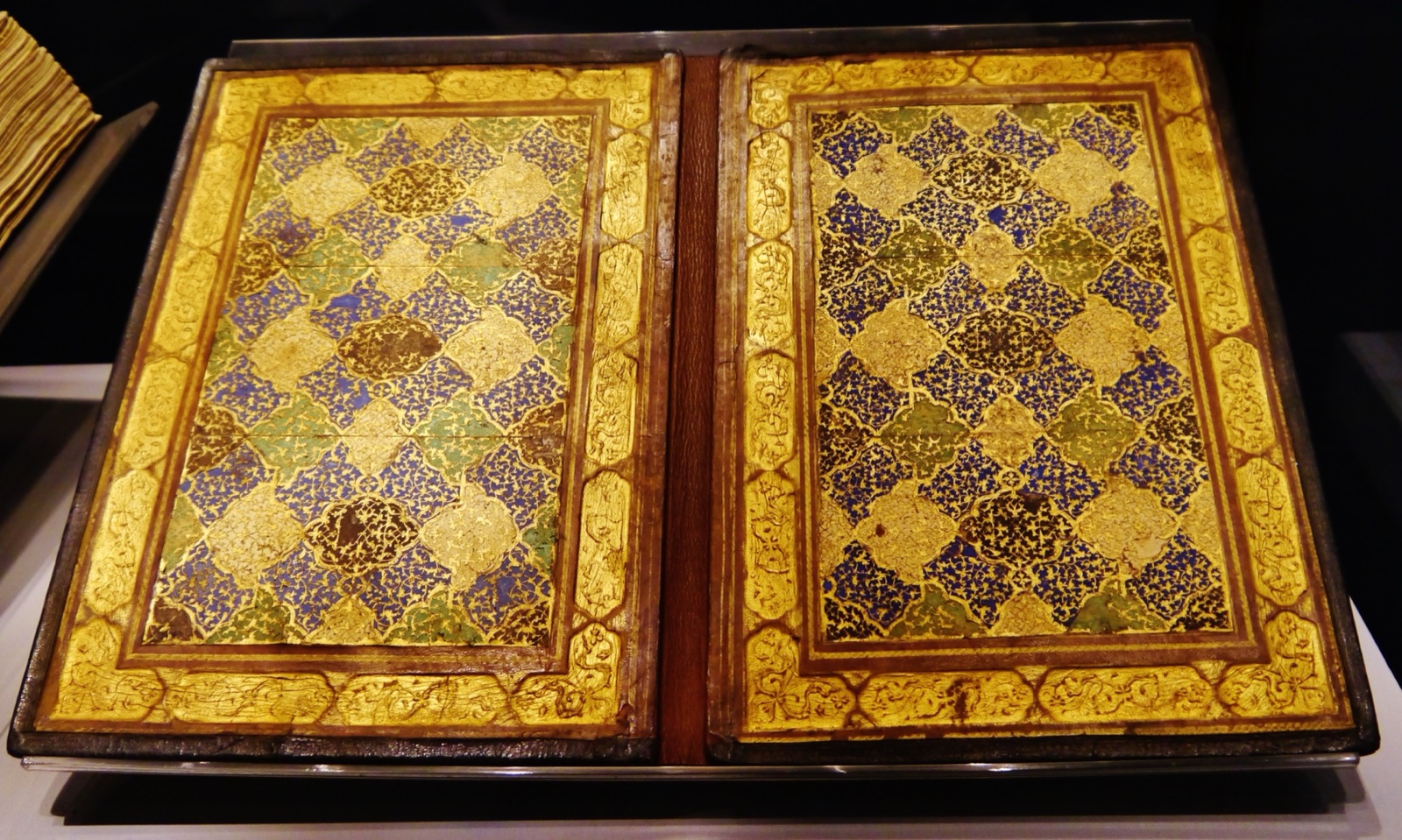
Dar al Athar al Islamiyyah is associated with the al-Sabah Collection and a cultural programme centred on art from the Islamic world. For a visitor, the most productive frame is breadth rather than a single national story: objects can connect multiple regions, materials and historical periods. The display context and programme may change, so treat any current exhibition title, venue, opening status or admission detail as information to confirm directly before travel.
What this collection rewards
Give yourself permission to compare slowly. Metalwork, ceramics, manuscript arts, glass, stone, textiles and jewellery do not ask the same questions. A small object can hold more technical evidence than a large photograph can reveal. Begin with the object label: copy the material, broad date range, place wording and collection number, then return to the surface and test what those facts help you see.
Avoid the single-style shortcut
“Islamic art” is a broad art-historical field, not a claim that every object shares one visual language. Geometry, vegetal ornament and calligraphy appear in many contexts, but resemblance alone does not establish workshop, date, function or religious use. Notice structure first: repeated units, borders, joins, symmetry, interruption and the way decoration responds to a vessel, page or architectural fragment.
Best first question
What did the maker have to solve in this material? Follow edges, seams, tool marks, glaze, inlay, abrasion or the relation between text and object shape.
Scale changes attention
Jewellery and manuscript details ask you to lean visually without crowding a case. Architectural fragments may require stepping back. Keep your body clear of glass and other visitors, and do not let phone zoom substitute for direct looking. A wide photograph of the display plus a permitted detail is more informative than a crop that removes scale and label context.
Read geography precisely
Labels may use place names for manufacture, discovery, cultural association or a modern region. Those relationships are not interchangeable. Preserve exact wording and date ranges. An object linked to Iran, Egypt, India, Central Asia or the Mediterranean should not become a generic illustration of “old Kuwait”; the collection's value lies partly in showing wide networks of artistic production and exchange.
Calligraphy needs a source
A visible inscription may be decorative, documentary, devotional or ownership-related, but appearance alone cannot settle its content. If a museum label provides a transcription or translation, cite the institution. If it does not, describe the placement, line, material and legibility without inventing words. Familiar letter shapes and repeated formulas can still be misread when a surface is damaged or compressed.
How long should you stay?
Time depends on the active exhibition and your question. A focused hour with one material family can be richer than racing through every case. Pause after the first room, write one comparison, and decide whether to follow technique, geography or function. Museum fatigue is not evidence that the later objects are less important; it is a signal to narrow the visit.
Who will value it most?
This is a strong choice for visitors interested in craft, design history, manuscript culture and the movement of forms across regions. It also suits anyone willing to read detailed labels and revisit objects. Families and first-time museum visitors may prefer a simple material hunt—find one ceramic, metal, glass and written object—rather than a chronology-heavy plan.
Leave with a comparison, not a favourite
Before leaving, choose two objects in different materials that solve a similar problem: carrying text, marking an edge, holding liquid or organising ornament. Write one similarity and one technical difference. This avoids turning the visit into a hunt for the most spectacular piece and makes the collection's geographic and material range easier to remember. If label language differs, preserve that difference rather than forcing the objects into one category.
The honest planning note
Dar al Athar al Islamiyyah is a cultural organisation whose exhibitions and programmes may be presented through particular venues and schedules. Verify the current venue, exhibition, language support, opening hours, admission and photography policy through its official channel shortly before your visit. Do not rely on an old map pin, travel-blog timetable or image caption as live access information.